Step 1
Watch
A 5–10 second scene from real life, with natural sound. The meaning appears for two seconds, then fades, so the picture carries the story.
About 10 secondsWeave is a voice-first language programme for schools where learning happens by doing. In five-minute missions, students watch a real scene, ride the wave of native speech, then hold a real conversation.
Book a meeting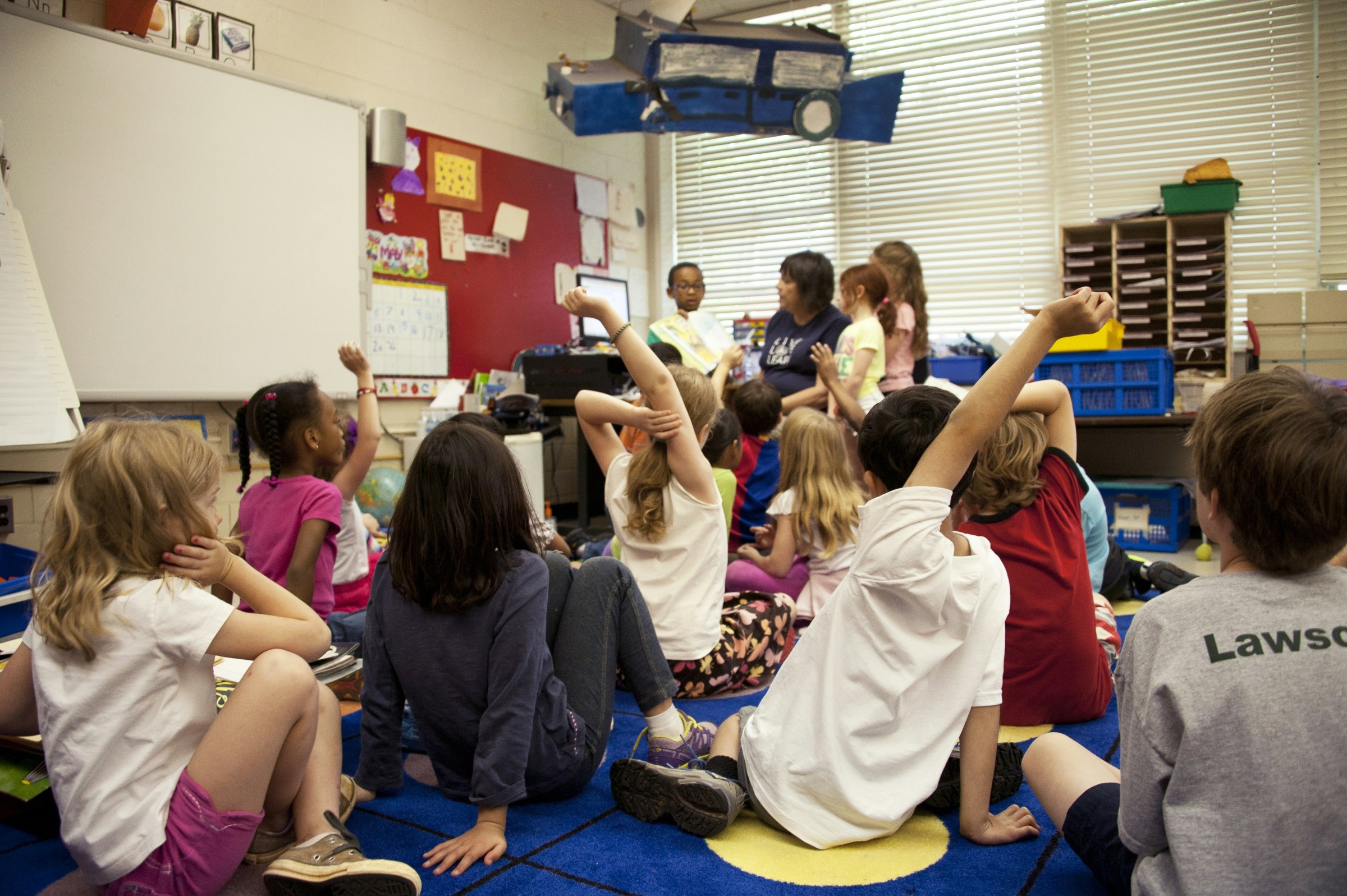
Flashcards teach children words.Speaking takes timing,stress and melody.
Each mission is a situation a child could really find themselves in: finding a book in the library, asking the way at the zoo, ordering on a school trip.
A 5–10 second scene from real life, with natural sound. The meaning appears for two seconds, then fades, so the picture carries the story.
About 10 secondsThe student speaks along with a native voice, a quarter of a second behind, riding the rise and fall of the sentence like a wave.
60 secondsA short conversation with a friendly character who answers in one or two sentences. Pause for four seconds and a gentle choice appears.
About 3 minutesThe mission joins a map of things the student can now do, and nearby situations open up next. No points, no streaks: abilities families can see.
The moment of prideThe Echo step uses prosodic shadowing: speaking along with a native voice, focused on melody rather than meaning. It began in 1950s speech laboratories and became a staple of interpreter training. Try it.
Researchers teach shadowing in three steps, easiest first. Weave's Echo step is the middle one, and the Watch step before it means students already understand most of what they hear.
Copy the sound and rhythm only.
Copy pitch, stress and rhythm, without worrying about every word.
Copy every word while following what it means.
Shadowing studies going back to the 1950s put the limit of speech reaction near a quarter of a second. Past half a second, learners fall back on memory.
Source: Speech shadowingSpeaking while listening uses the brain's dorsal stream, which maps sounds onto mouth movements. Brain scans of shadowing show hearing and speech areas working together.
Hickok & Poeppel 2007; NeuroImage, 2009In a study of 43 university English learners, nine shadowing lessons improved how well they heard individual sounds, at both levels tested.
Hamada, Language Teaching Research, 2016Shadowing is intense, and learners report tiring in long sessions. Each Echo loops a short clip for one minute rather than pushing through a long one.
Asian-Pacific Journal of Second and Foreign Language Education, 2018Your students already learn by making, building and presenting. Weave brings the same approach to languages: real situations, their own interests, and abilities they can show.
Students learn by doing, so they start by speaking. No word lists to get through before the first real conversation.
No red marks, buzzers or failed-attempt counters. If a student pauses, Weave offers a gentle choice and the conversation keeps moving.
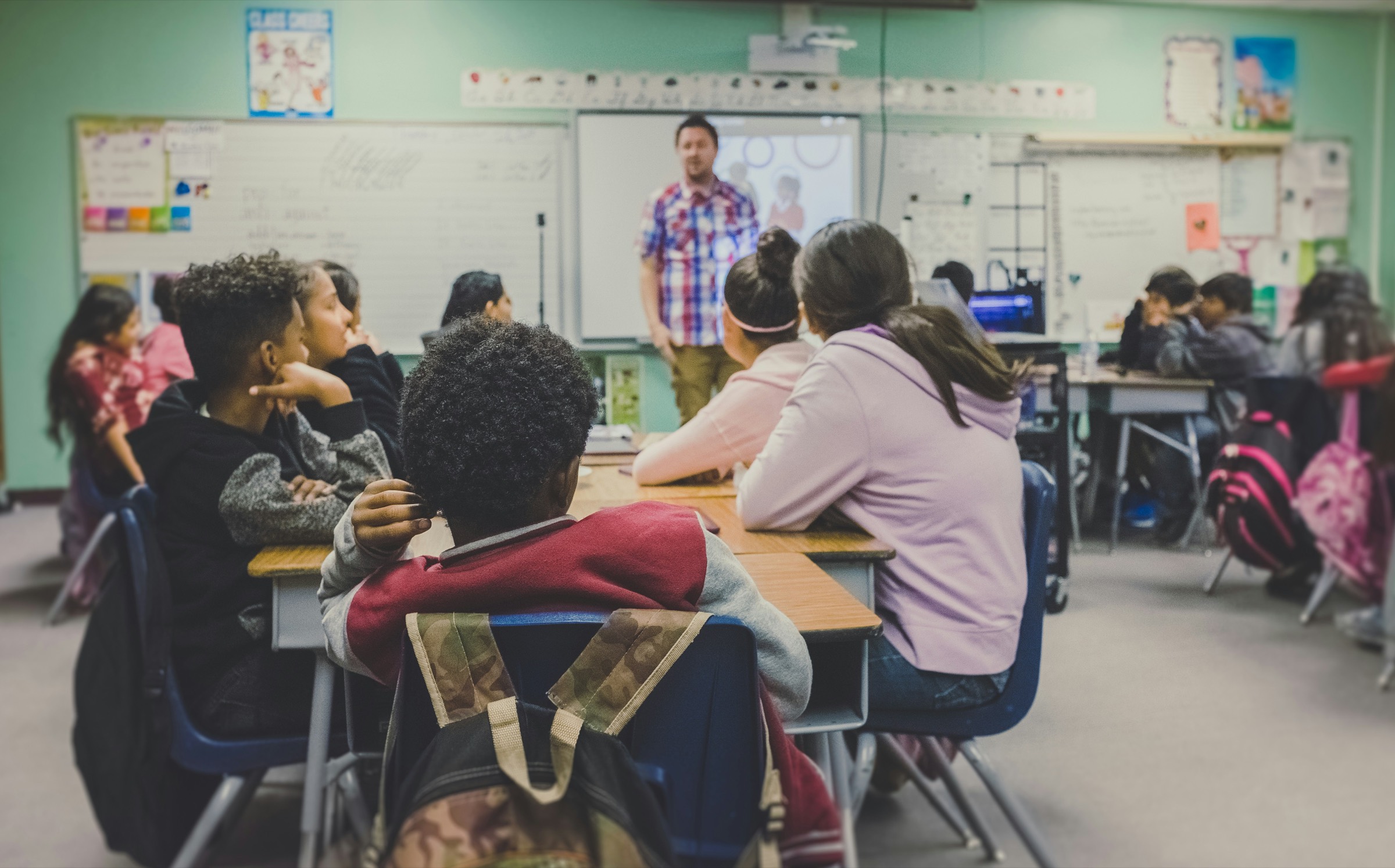
On day one, each student names three things they enjoy. Missions grow from there: the football match, the bakery, the trip to the zoo.

Shadowing trains the ear on natural, native-speed speech, with its linked words and dropped sounds, rather than slow textbook audio.

Each finished mission adds a real ability to the student's map: "I can buy bread at a bakery." Families see what their child can do, not a score.

Tell us a little about your school and we will arrange a walkthrough with the Prosoda Labs team.
[email protected]